 By Lincoln
Commercial epoxy flooring has become a go-to solution for businesses that demand durability, cleanliness, and visual appeal. From warehouses to showrooms, this flooring system offers a seamless finish that withstands heavy use. But one question always comes up: how long does it actually last? The answer depends on several factors, including installation quality, maintenance, and environmental conditions. Let’s dive into what truly determines its lifespan.
How Long Does Commercial Epoxy Flooring Last?
On average, commercial epoxy flooring can last anywhere between 10 to 20 years, and in some well-maintained environments, even longer. This longevity makes it a cost-effective investment for commercial spaces.
The durability comes from its strong chemical composition, which forms a rigid plastic-like surface once cured. Unlike traditional flooring, epoxy bonds tightly to concrete, creating a resilient layer that resists wear and tear.
For example, in a busy warehouse with constant forklift movement, epoxy flooring may last closer to 10–12 years. Meanwhile, in a low-traffic office setting, it can easily exceed 15–20 years with minimal signs of aging.
How Long Does Commercial Epoxy Flooring Last In Different Conditions?
The lifespan of epoxy flooring is not fixed. It varies depending on usage and environment.
In industrial environments, exposure to heavy machinery, chemicals, and abrasions can reduce its lifespan. However, high-quality epoxy coatings designed for industrial use can still perform exceptionally well under pressure.
In retail or healthcare settings, where foot traffic is high but impact is lower, epoxy floors tend to last longer. Regular cleaning and proper care play a huge role in maintaining their shine and strength.
Here are some factors that directly impact durability:
- Installation quality, surface preparation, and thickness of the epoxy layer
If the installation is done poorly, even the best materials will not last long. A properly prepared concrete surface ensures maximum adhesion and longevity.
Key Factors That Affect Epoxy Flooring Lifespan
1. Installation Quality
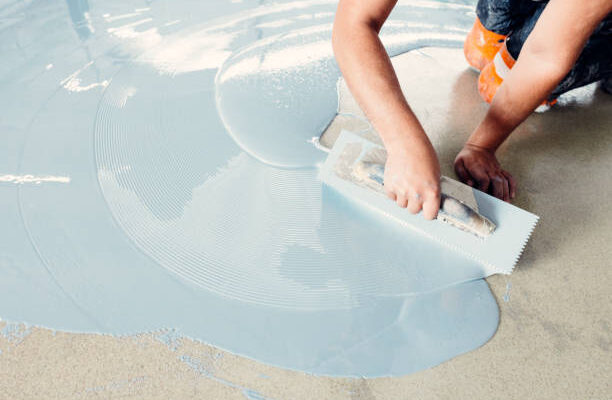
A professional installation ensures the epoxy bonds correctly to the substrate. Poor preparation can lead to peeling or cracking within a few years.
2. Traffic and Usage
Heavy equipment, frequent movement, and dropped objects can gradually wear down the surface. High-impact areas may need additional protective coatings.
3. Maintenance Routine
Regular cleaning prevents dirt buildup and surface damage. Simple practices like sweeping and mopping can significantly extend the floor’s life.
4. Environmental Exposure
Temperature fluctuations, moisture, and chemical spills can influence how long the flooring lasts. Specialized coatings can help resist these elements.
Real-Life Examples
Consider a logistics warehouse operating 24 hours a day. Despite constant activity, a properly installed epoxy floor lasted over 12 years before requiring a topcoat refresh.
On the other hand, a commercial showroom with moderate foot traffic maintained its epoxy flooring for nearly 18 years with only minor touch-ups.
These examples show how environment and care directly affect performance.
Pro Tip For Maximum Lifespan
Always invest in a high-quality topcoat. This extra layer acts as a shield against scratches, UV exposure, and chemical damage, significantly extending the life of your epoxy flooring.
Additionally, schedule periodic inspections to address minor issues before they turn into costly repairs.
Conclusion
Commercial epoxy flooring is a long-term flooring solution that offers impressive durability when installed and maintained properly. While the average lifespan ranges between 10 to 20 years, the actual longevity depends on factors like usage, environment, and care.
By choosing professional installation and following a consistent maintenance routine, businesses can maximize their investment and enjoy a strong, attractive flooring system for years to come.