 By Lincoln
Hydroponic gardening has revolutionized how people grow fresh produce at home. Among the innovations in this field, grow towers and hydroponic towers have emerged as game-changers for urban gardeners and small-space enthusiasts. These vertical gardening systems allow for maximum yield with minimal space and effort. In this guide, we’ll explore everything you need to know to maximize your hydroponic tower setup, from choosing the right system to tips for optimal plant growth.
What is a Grow Tower?
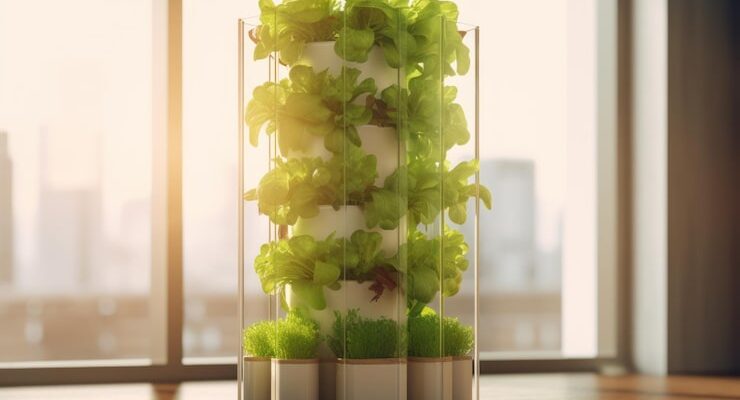
A grow tower is a vertical hydroponic system designed to grow multiple plants in a compact space. Unlike traditional gardening, grow tower don’t rely on soil. Instead, plants receive nutrients directly through water, ensuring faster growth and healthier yields. Hydroponic towers are perfect for homes, apartments, and urban settings where garden space is limited.
Benefits of Using a Grow Tower
- Space Efficiency – Grow towers maximize vertical space, making it possible to grow dozens of plants in a small footprint.
- Faster Growth – Nutrient-rich water reaches the roots directly, accelerating plant growth compared to traditional soil gardening.
- Water Conservation – Hydroponic towers use up to 90% less water than soil-based gardening.
- Pest and Disease Control – Elevated plant systems reduce exposure to soil-borne pests and diseases.
- Year-Round Gardening – With the right indoor setup, grow towers allow for continuous harvests throughout the year.
Types of Hydroponic Towers
There are several types of hydroponic towers, each with its own advantages:
1. NFT (Nutrient Film Technique) Towers
NFT towers circulate a thin film of nutrient solution over plant roots. They are ideal for leafy greens like lettuce and spinach.
2. Aeroponic Towers
Aeroponic towers suspend plants in air and spray roots with a nutrient mist. This system promotes rapid growth and higher oxygen levels for roots.
3. Deep Water Culture (DWC) Towers
In DWC systems, plant roots are submerged in nutrient-rich water. This method works well for larger crops like tomatoes and peppers.
4. Wicking Towers
These are passive hydroponic systems that use a wick to deliver nutrients from a reservoir to plant roots. They are simple and beginner-friendly.
Choosing the Right Grow Tower
Selecting the right grow tower depends on your gardening goals, available space, and plant types. Consider the following factors:
- Space Available – Measure your area to determine how many tiers or columns you can accommodate.
- Plant Type – Leafy greens thrive in NFT or aeroponic towers, while fruiting plants may require DWC towers.
- Maintenance Level – Some towers, like aeroponics, need more frequent monitoring than simpler wicking systems.
- Budget – Hydroponic towers vary in cost; starting small and upgrading gradually is often a smart approach.
Setting Up Your Hydroponic Tower
Step 1: Location and Lighting
Grow towers need adequate light. For indoor setups, invest in LED grow lights that mimic natural sunlight. For outdoor towers, place them where plants get at least 6–8 hours of sunlight daily.
Step 2: Nutrient Solution
Plants require a balanced nutrient solution with essential macro and micronutrients. Pre-mixed hydroponic nutrients are widely available, or you can create your own with a mix of nitrogen, phosphorus, potassium, calcium, and magnesium.
Step 3: Water and pH Management
Maintain water at the correct pH (usually 5.5–6.5) for optimal nutrient absorption. Regularly check and adjust pH to prevent nutrient lockout.
Step 4: Planting
Insert seedlings or young plants into the tower’s growing slots. Ensure roots are in contact with the nutrient solution but avoid submerging the crown of the plant.
Step 5: Circulation and Aeration
Most hydroponic towers require a water pump to circulate nutrients. For aeroponic and DWC systems, air stones or misters help oxygenate the roots, promoting healthy growth.
Grow Tower Tips for Maximum Yield
- Start Small – Begin with a few plants to understand your system before expanding.
- Monitor Nutrient Levels – Regularly test and adjust the nutrient solution to match plant growth stages.
- Rotate Crops – Practice crop rotation to prevent nutrient depletion and pests.
- Prune Regularly – Removing dead leaves and trimming plants helps improve airflow and light penetration.
- Control Temperature and Humidity – Most vegetables thrive in temperatures between 65–75°F (18–24°C) and moderate humidity.
- Keep It Clean – Prevent algae and pathogens by cleaning the tower and reservoir periodically.
- Use Companion Planting – Certain plant combinations can naturally repel pests and enhance growth.
Common Challenges and Solutions
- Algae Growth – Use opaque towers and cover reservoirs to limit light exposure.
- Root Rot – Ensure proper aeration and avoid overwatering.
- Nutrient Deficiencies – Monitor plant leaves for yellowing or spotting and adjust nutrients accordingly.
- Pest Infestation – Indoor towers reduce risk, but occasional inspection and organic insecticidal solutions can help.
Advanced Tips for Experienced Growers
- Automated Systems – Consider timers and sensors for nutrient delivery, pH control, and lighting to save time.
- Intercropping – Grow fast-growing plants alongside slower-growing crops to maximize tower use.
- Vertical Expansion – Add modular sections to your tower as your skills and plant collection grow.
- Experiment with Crops – Try herbs, strawberries, and cherry tomatoes for high-yield, high-value harvests.
Why Hydroponic Towers Are the Future of Gardening
Hydroponic towers are transforming urban gardening by making it easier, faster, and more sustainable. Whether you’re a beginner looking to grow fresh herbs or an urban farmer aiming for maximum yield in limited space, grow towers offer a solution that’s efficient, eco-friendly, and rewarding.
With careful planning, attention to nutrient management, and regular monitoring, your hydroponic tower can provide fresh, healthy produce year-round. The vertical gardening revolution is here, and your tower can become a cornerstone of your home-grown food journey.
Final Thoughts
Starting with a grow tower may seem daunting, but following these tips and strategies ensures a successful hydroponic experience. From choosing the right type of tower to monitoring nutrients and maximizing space, every step contributes to a thriving, productive garden. Embrace vertical gardening today and watch your hydroponic towers flourish.