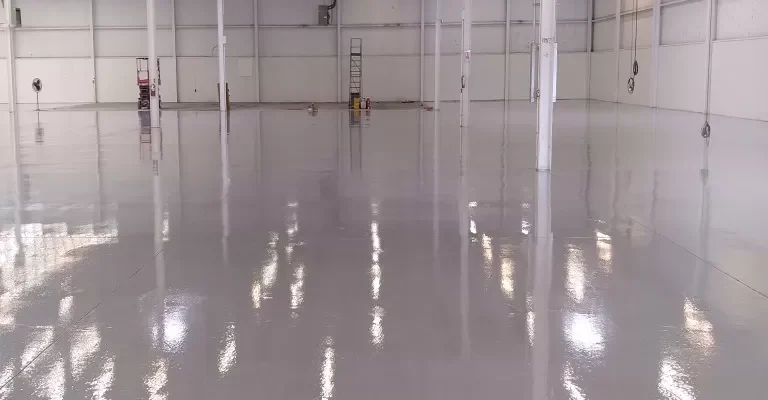
 By David Recio
Picking the right floor system for your business means taking a close look at how each part of your room is used. Storage rooms, cook lines, walk-in coolers, and wash bays all have very different needs when it comes to floor strength, texture, and durability.
Matching floor features to your daily work routines ensures your new floor lasts as long as possible.
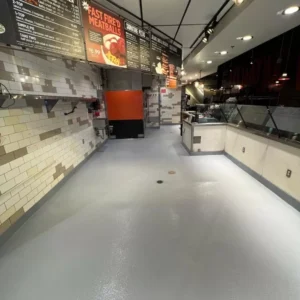
Checking Weight Limits and Impact Strength
Heavy cook equipment, loaded steel carts, and dropped kitchen tools put heavy pressure on floor surfaces. Thin coatings chip easily when something heavy drops on them, leaving spots where water can seep in.
Selecting high-strength industrial kitchen flooring makes sure your floor absorbs hard hits without cracking or separating from the concrete slab below.
Customizing Slip Resistance for Different Work Areas
While extra grip is essential near fryers, dishwashers, and cook lines, having a very rough floor surface in dry storage rooms makes moving rolling supply carts difficult.
Using versatile Epoxy flooring for commercial kitchen setups lets installers tailor aggregate textures for different rooms—giving high grip where water lands while keeping dry storage rooms smooth for easy rolling.
Resistance to Food Acids and Harsh Cleaners
Vinegar, citrus juices, hot oil, and strong sanitizing soaps can dissolve basic floor coatings fast. Different floor mixes offer different levels of protection against chemical wear.
Using chemical-resistant commercial kitchen flooring protects your floor against daily spills, preventing soft spots, fading, and chemical wear.
Building a Floor Designed for Your Daily Work
Getting the right floor means choosing materials built for your specific work environment. Balancing impact strength, surface grip, and chemical resistance keeps your facility safe and durable in every room.