
 By
By A living space should do more than just look good. It should feel welcoming the moment you walk in, support your daily routine, and reflect who you are as a person. The most successful homes balance warmth, functionality, and personal character without feeling cluttered or overly designed. Creating such a space is less about following trends and more about making thoughtful choices that fit your lifestyle.
Creating a Warm and Inviting Atmosphere
Warmth in a living space comes from comfort, not excess decoration. Soft lighting plays a major role. Instead of relying only on overhead lights, use table lamps, floor lamps, and wall lighting to create a relaxed and cozy mood. Warm-toned bulbs instantly make a room feel more inviting.
Textures also add warmth. Layering materials such as cushions, throws, rugs, and curtains helps soften the space visually and physically. Natural materials like wood, cotton, linen, and wool bring a sense of calm and authenticity that never feels forced. Even neutral color palettes can feel warm when combined with the right textures and finishes.
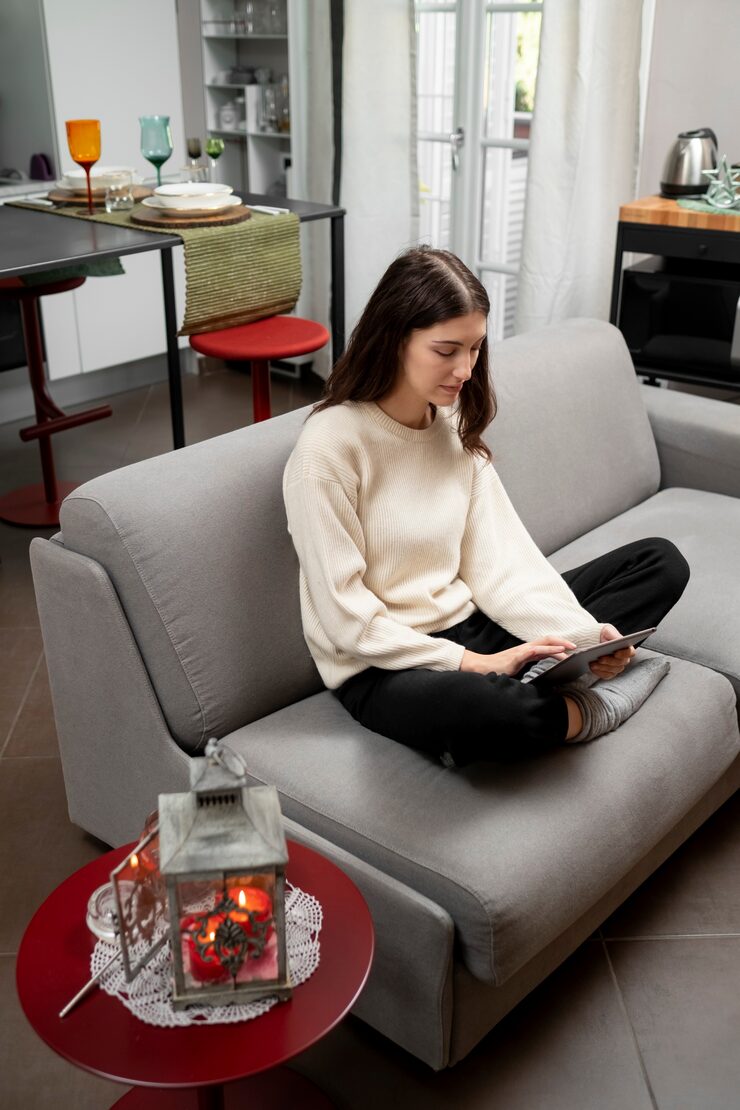
Living Spaces
Designing for Real-Life Functionality
A functional living space supports how you actually live, not how a room looks in a catalog. Start by understanding how the space is used daily. Is it a place for family gatherings, relaxing after work, entertaining guests, or all of these combined?
Furniture placement should allow easy movement and clear pathways. Storage solutions are equally important. Shelves, cabinets, and hidden storage help keep everyday items organized without disrupting the visual balance of the room. A clean, well-organized space naturally feels more comfortable and less stressful.
Choosing furniture that serves more than one purpose can also improve functionality. Ottomans with storage, extendable tables, or modular seating provide flexibility without overcrowding the room.
Adding Personal Touches That Matter
Personalization is what transforms a house into a home. This does not mean filling every wall or surface with décor. Instead, focus on items that tell your story. Family photos, travel souvenirs, artwork, or handmade pieces add meaning and depth to your living space.
Books, plants, and personal collections bring life and authenticity to a room. Indoor plants not only improve air quality but also add freshness and warmth. Display items in small groups rather than spreading them everywhere to maintain a clean and intentional look.
Your living space should reflect your personality, whether that means minimal and calm or expressive and bold. There is no single correct style, only what feels right for you.
Balancing Style and Comfort
A beautiful living space should never sacrifice comfort. Sofas, chairs, and seating areas should invite you to sit, relax, and stay awhile. Choosing high-quality materials and comfortable proportions makes a noticeable difference in how the room feels over time.
Color balance is also important. Mixing neutral tones with a few accent colors keeps the space visually interesting without overwhelming it. Soft, earthy shades often work well to maintain a warm and relaxed environment.
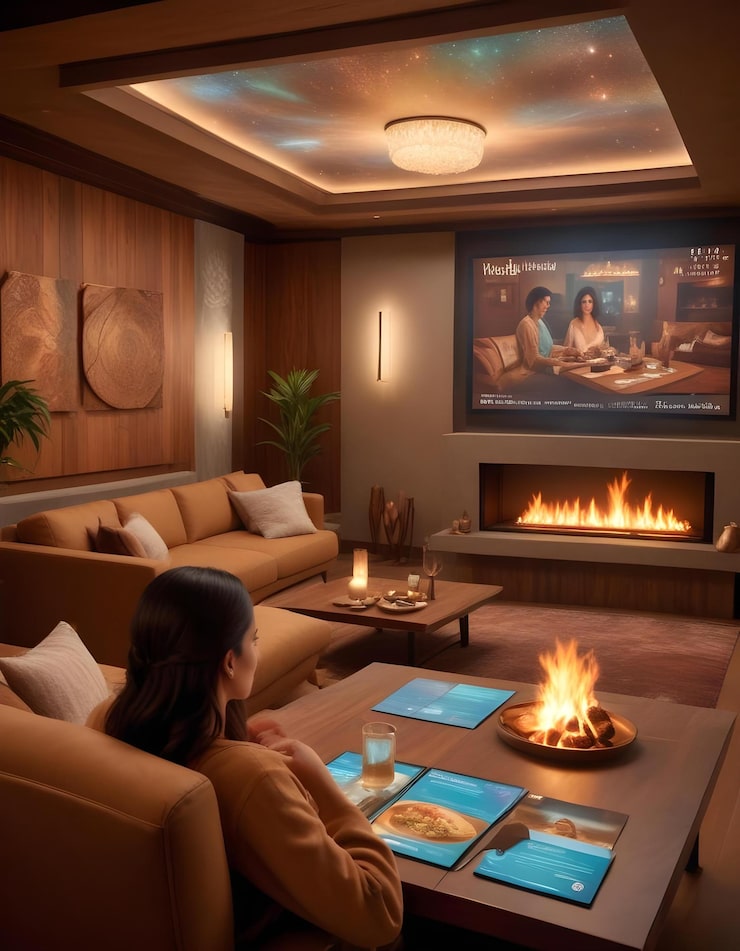
Living Spaces
Making the Space Evolve With You
Living spaces are not static. As your lifestyle changes, your home should adapt with you. Rearranging furniture, updating décor, or introducing new textures can refresh the space without requiring a full redesign. Small updates can make a big impact when done thoughtfully.
A warm, functional, and personal living space is built over time. It grows with your experiences, routines, and preferences. When comfort, practicality, and personality come together naturally, the result is a home that truly feels like your own.